VIDEOS
POLICY TALKS, PROJECT DEMOS, AND THE OCCASIONAL MUSIC VIDEO FROM A FAKE BAND THAT MAY OR MAY NOT HAVE BEEN CREATED BY GOVERNMENT PLUTONIUM EXPERIMENTS.
VISUAL PROOF THAT I HAVE TOO MUCH TIME AND NOT ENOUGH SUPERVISION.

Incentive Alignment Bonds
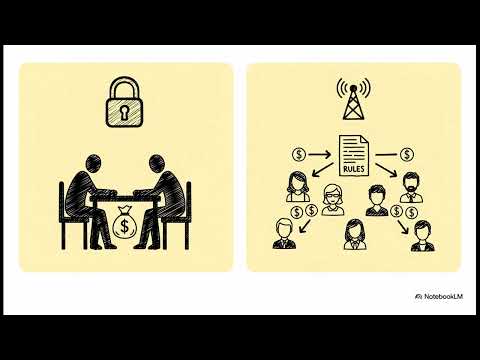
Appendix J — Incentive Alignment Bonds: A Mechanism Design Approach to Political Economy – How to End War and Disease https://share.google/VspVTeNjjyBmCrROz Here’s a fun puzzle: You know how to save millions of lives. You can measure exactly how many. You have the money. And governments still don’t do it. This isn’t because politicians are evil. It’s because the system is built so that: Politicians maximize reelection, status, and post-office careers, not “humans continuing to exist” Bureaucracies maximize budget, stability, and turf, not “speed of cures” Lobbyists maximize client profits, not “global welfare” You don’t fix this with awareness campaigns. You’ve been “raising awareness” for decades and everyone is still dying. You don’t fix it with white papers. Politicians use white papers to stabilize wobbly tables. You don’t fix it by hoping for philosopher-kings. Plato tried that. It didn’t work. You fix it by changing what “self-interest” points at. This chapter describes a mechanism to legally bribe politicians into doing the right thing: Incentive Alignment Bonds (IABs) – a way to pay for better governance without technically paying politicians, giving money to governments, or going to prison. 1. The Core Problem: Good Ideas Die in Committee You’ve seen the numbers by now: Redirecting 1% of global military spending into pragmatic trials could save hundreds of millions of lives and generate trillions in economic value. The 1% Treaty isn’t constrained by physics, biology, or money. It’s constrained by politics, which is like being constrained by your dog’s opinion on quantum mechanics except your dog can veto legislation. No politician wants to be the one who “cut the military.” Even by 1%. Even if that 1% cures cancer. The attack ads write themselves: “Senator Johnson voted to WEAKEN AMERICA. His opponent didn’t. Vote for literally anyone else.” From a public choice perspective, the 1% Treaty is a classic public good: Enormous global benefit Concentrated local political pain Benefits arrive in 10 years; the attack ads arrive tomorrow The system does exactly what it’s incentivized to do. It’s not broken. It’s working perfectly. The problem is what it’s optimizing for. If you want different outcomes, you need different incentives. Wishing very hard doesn’t count. 2. What You Need: Legal Bribery That Isn’t Technically Bribery Imagine you could say to every politician on Earth: “If your country adopts a 1%-style reform and your citizens actually get healthier, we will: upgrade your international reputation (you’ll get invited to better parties), boost your reelection odds (independent campaigns will favor you), and make your post-office career prospects significantly better than your rivals’ (Goldman Sachs boards, prestigious fellowships, that sort of thing).” No backroom deals. No suitcases of cash. No prison. No money to you personally, and no money to government budgets. What you get is external legitimacy, electoral support, and cushy retirement gigs. The things politicians actually optimize for. Just a standing, public, announced-in-advance rule: “Do this objectively good thing, and the world will systematically reward you.” This is the job of Incentive Alignment Bonds. It’s bribery, except legal, transparent, and pointed at saving lives instead of ruining them. 3. Definition: What Are INCENTIVE ALIGNMENT Bonds? Incentive Alignment Bonds (IABs) are a new class of financial instruments designed to: Reward investors with returns proportional to public-good funding achieved Reward politicians with electoral support and career benefits based on their voting record for public-good policies Fund the public good itself from the policy outcome (self-sustaining) The key innovation: IABs align both investors and politicians with public-good outcomes through a single instrument. Investors provide capital to pass the policy. Politicians get career benefits for supporting it. The policy outcome funds everything. This is mechanism design applied to governance, using the tools economists developed for auctions and markets to solve political economy problems. The insight is that politicians respond to incentives like everyone else; the question is whether those incentives point toward saving lives or toward pleasing lobbies. IABs change what the incentives point at. They are not charity. (Charity doesn’t work at scale.) They are not lobbying. (That’s already taken.) They are not “paying politicians.” (That’s illegal, and also already taken.) They are: A way to make investors and politicians cooperate on public goods by appealing to the only thing they respond to: self-interest.